Thailand Second Home for Europeans: Complete Buying Guide 2026
Why Europeans buy second homes in Phuket, how to manage remotely, rental income when you're away, costs vs European holiday homes in Spain and Portugal, and the practical steps to buying.
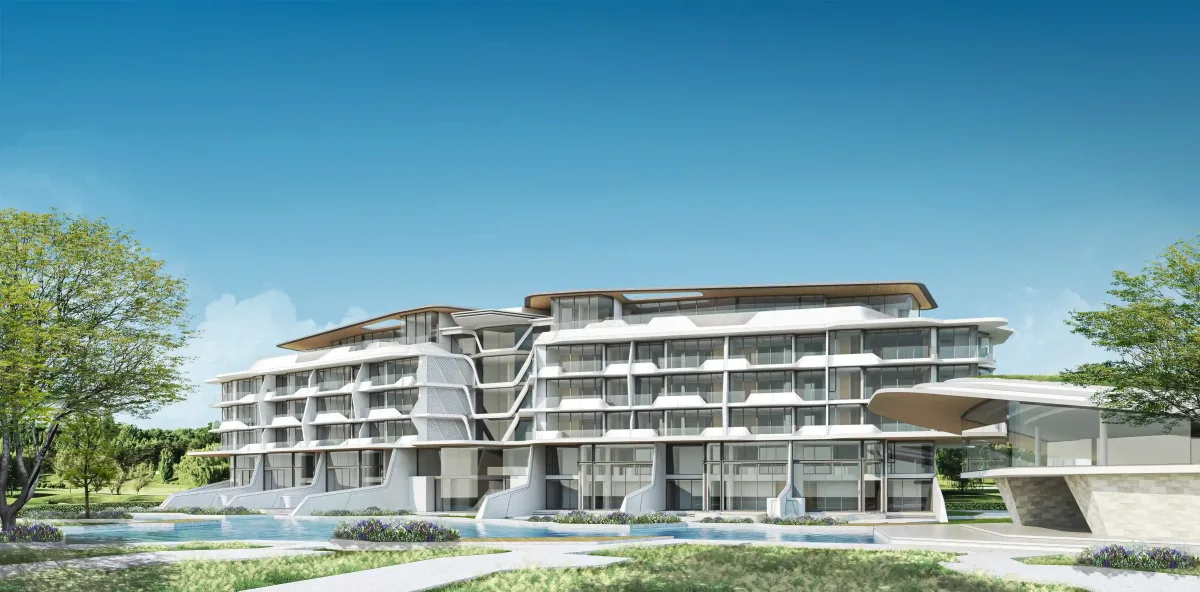
Thailand Second Home for Europeans: Complete Buying Guide 2026
The typical European second home buyer in Phuket spends 2–3 months per year at their property, generating 6–8% gross rental yield for the remaining 9–10 months. A €250,000 Phuket sea-view condo yields €15,000–€20,000 gross annually from rentals — compared to €7,500–€12,500 from a comparable Costa del Sol apartment. Add year-round tropical weather, a lower cost of living, and flight connections from most European hubs, and the model is compelling. This guide covers everything Europeans need to know to structure, buy, and successfully operate a Phuket second home in 2026.
Want personalized property advice?
Our experts answer in 2 hours. 0% buyer commission.


Why Europeans Are Buying Second Homes in Phuket
The Economic Case
| Factor | Phuket Second Home | Spain Coastal Apt | Portugal Algarve |
|---|---|---|---|
| Average purchase price (good location) | €200,000–€400,000 | €250,000–€500,000 | €300,000–€600,000 |
| Gross rental yield | 6–9% | 3–5% | 4–6% |
| Annual rental income (€300K property) | €18,000–€27,000 | €9,000–€15,000 | €12,000–€18,000 |
| Annual property tax | €100–€500 | €800–€3,000 | €500–€2,000 |
| Weather reliability | Year-round tropical | Seasonal (May–Oct peak) | Seasonal (May–Sep peak) |
| Personal usage weeks | 8–12 weeks feasible | Unlimited (EU citizen) | Unlimited (EU citizen) |
The Phuket model typically generates €8,000–€15,000 more net income annually than comparable Southern European properties — even accounting for higher management costs and longer flights.
The Lifestyle Case
Phuket offers Europeans what no Mediterranean destination can match: genuine tropical lifestyle, world-class beach resorts, and Southeast Asian culture within a 10–12 hour flight. Europeans who own in Phuket typically describe visits as genuine holidays — not just property inspections. The food, climate, and services (excellent private hospitals, high-quality restaurants, luxury amenities) make Phuket a lifestyle destination rather than just a property market.
How the Second Home + Rental Model Works
The most common model for European second home buyers in Phuket:
Typical usage pattern:
- Personal stay: 6–10 weeks/year (often January–March to escape European winter, plus summer weeks)
- Rental period: 42–46 weeks/year (through property management or rental pool)
- Property management: full-service management company handles all rental logistics
Rental income structure:
- High season (November–April): highest occupancy and rates (typically 85–95%)
- Shoulder season (May, October): moderate occupancy (60–75%)
- Low/green season (June–September): lower occupancy (45–60%) but still profitable
Annual rental income modelling (2-bedroom condo, Bang Tao area, €300,000 purchase price):
| Season | Weeks | Occupancy | Daily Rate (€) | Weekly Income |
|---|---|---|---|---|
| High season (20 weeks) | 20 | 90% | €120 | €756/week |
| Shoulder (8 weeks) | 8 | 65% | €100 | €455/week |
| Low season (16 weeks, less 8 personal) | 8 | 50% | €80 | €280/week |
| Annual gross rental | ~€23,000 | |||
| Management fee (25%) | -€5,750 | |||
| Net before tax | ~€17,250 | |||
| Yield on purchase price | ~5.75% net |
Choosing the Right Property for the Second Home Model
Not all Phuket properties suit the second home + rental model. Key selection criteria:
Location matters most:
- Bang Tao / Layan: Highest rental demand from European tourists. Proximity to Laguna complex and long beautiful beach
- Kamala: Quieter, popular with longer-stay Europeans, good rental market
- Surin: Upscale boutique feel, strong luxury rental demand
- Rawai / Nai Harn: Popular with expats and long-stay renters, lower tourist rates but lower seasonal volatility
Property type:
- Branded residence (Banyan Group, Anantara, COMO etc.): Built-in management, premium rental rates, higher entry price
- Managed condo complex with rental pool: Most common model, predictable income
- Private villa: Higher income potential but higher management complexity
Avoid for the rental model:
- Properties more than 15 minutes drive from the beach (low rental demand)
- Projects with poor rental history or no track record
- Developments where the rental pool is oversupplied relative to complex size
Want personalized property advice?
Our experts answer in 2 hours. 0% buyer commission.
Remote Management: Making It Work From Europe
Managing a property 9,000 km away is the challenge that separates successful European second home owners from frustrated ones. The solution is building the right management system before you buy.
What to verify before signing:
- Does the developer/complex offer in-house property management?
- What is their track record? Ask for income statements from existing European owners
- Do they have English-speaking account managers?
- How do they handle maintenance? Same-day response available?
- Do they provide monthly financial statements in EUR or with EUR conversion?
- Can rental income be transferred to your European bank account in EUR or USD?
Communication systems that work:
- WhatsApp Business groups for quick updates
- Monthly PDF income/expense statements
- Access to booking calendar (so you can block your personal usage weeks)
- Direct bank transfer capability to your EU account
What should happen automatically while you’re away:
- Guest check-in/check-out via keypad or staff
- Professional cleaning between guests
- Minor maintenance within a pre-agreed budget (€200–€500) without requiring your approval
- Utility payments from management float
Visa Strategy for European Second Home Owners
European nationals cannot live in Thailand indefinitely on tourist entries. Planning your annual visits requires a visa strategy:
For 2–3 visits/year (1–3 months each):
- Tourist Visa: 60 days, extendable by 30 days at local immigration. Re-enter after leaving Thailand. Good for 2 visits per year
- Multiple Entry Tourist Visa: Issued by Thai embassies in Europe, allows multiple 60-day entries for 1 year
For longer stays (3–6 months/year):
- Thailand Elite Visa: ฿600,000–฿2,000,000 one-time fee (varies by tier). 5–20 year multiple-entry residency. The most popular solution among European second home owners who want 3+ months/year in Thailand
- Retirement Visa (Non-OA): Age 50+, requires ฿800,000 in a Thai bank account or ฿65,000/month income proof. Annual renewal. No one-time fee
Tip: Many Europeans buy a property and plan for 2–3 weeks/visit initially, discovering they want to spend more time. Budget for the Thailand Elite Visa from the start if extended stays are your goal.
Tax Implications for European Second Home Owners
In Thailand:
- Annual property tax: 0.02–0.1% of appraised value (negligible)
- Rental income withholding tax: 15% (non-resident landlords)
- No capital gains tax on individual sellers
In your EU home country:
- Rental income must be declared (see country-specific tax guides)
- Double tax treaty with Thailand prevents full double taxation
- Capital gains tax on sale applies in your home country (Thailand has no CGT)
The practical picture: Most European second home owners find that after the 15% Thai withholding tax and their home country’s treaty-based credit or exemption, the effective overall tax rate is manageable — particularly in countries using the Freistellungsmethode (exemption method) like Germany, where Thai rental income may be largely exempt from German income tax.
Financing: Can Europeans Get a Mortgage for Thai Property?
Thai banks do not lend to foreign buyers for the purchase of property. This means:
- Cash purchase is required for most European buyers
- Some European banks offer international mortgage products (primarily for Southern Europe, less commonly for Asia)
- Developer payment plans (common in Phuket off-plan projects) spread the cost over 12–36 months, functioning like an interest-free instalment plan
Payment plan example:
- 30% on contract signing: €75,000
- 30% on first floor slab completion: €75,000
- 20% on building completion: €50,000
- 20% on handover: €50,000
- Total: €250,000 over 18–24 months
This makes off-plan purchases accessible to buyers who prefer to preserve capital — releasing cash in stages rather than all upfront.
Practical Steps to Buying Your Phuket Second Home
- Define your goals: Holiday use priority vs rental income priority vs long-term investment
- Set your budget: Include purchase price + 5–8% for transfer fees, legal, and setup costs
- Choose your location based on how you’ll use the property (beachside access priority vs quieter residential area)
- Visit Phuket — view 8–12 properties with a professional agent (MORE Group offers free viewings)
- Select property and make reservation (typically $5,000–$15,000 refundable reservation deposit)
- Engage independent Thai law firm for due diligence (title search, developer checks, SPA review)
- Open Thai bank account for fund transfer and FET certificate
- Transfer funds using a specialist service (Wise/OFX — not your EU bank)
- Sign Sales and Purchase Agreement
- Register title at the Land Department
- Set up property management before first rental guests
Disclaimer: Property laws, visa regulations and tax rules are subject to change. This guide provides general information as of March 2026. Always consult a qualified Thai law firm and tax adviser in your home country before purchasing.
FAQ
Frequently Asked Questions
A well-located, professionally managed condo in Phuket typically generates 6–8% gross annual rental yield. On a €250,000 property, that is €15,000–€20,000 gross per year. After management fees of 20–25%, net rental yield is approximately 4.5–6%. This significantly outperforms comparable properties in Spain or Portugal (3–5% gross yield).
Yes. Most managed rental programs include owner usage weeks — typically 30–60 days per year that you block for personal use. You must coordinate with your property management company in advance. During your personal stays, no rental income is earned but you are also not charged management fees for those weeks.
Yes. Europeans need a visa to stay in Thailand beyond the initial entry allowance. Tourist Visa allows 60 days (extendable by 30 days). For stays of 3+ months per year, the Thailand Elite Visa (one-time fee of ฿600,000+) is the most practical option. Retirement Visa (Non-OA) is available for those aged 50+ with sufficient funds.
No. Thai banks do not offer mortgages to foreign buyers for property purchases. European buyers purchase with cash or through developer payment plans (which spread the cost over 12–36 months without interest). Some European banks offer overseas property loans, but this is not standard for Thai property.
A professional Phuket property management company handles routine maintenance and repairs within a pre-agreed budget (typically €200–€500 per incident) without needing your approval for every minor issue. They report monthly via WhatsApp and detailed income statements. Major works (e.g., AC replacement at €800+) require your approval but can be handled remotely by email.
Related Guides
- What Europeans Should Know Before Buying in Phuket
- Thai Property Tax for EU Buyers: Country-by-Country Guide
- Thailand Holiday Home Guide: Buy, Use, and Earn
- Phuket Property Visa Options for Foreigners
- Best Areas to Invest in Phuket 2026
Get a Free Property Consultation
Tell us your budget and goals — our expert will contact you within 2 hours.

MORE Group
Phuket Real Estate Experts
The MORE Group team has helped 500+ European and American buyers purchase property in Thailand. We provide legal support, 0% commission, and on-the-ground expertise since 2018.
Get a Free Property Consultation
Tell us your budget and goals — our expert will contact you within 2 hours.