Phuket Property for Retirement Buyers: Best Areas, Budgets and Lifestyle Reality
Best Phuket areas for retirement property: Rawai/Nai Harn for expat community and calm, Cherng Talay for services, Mai Khao for space. Budgets $90K–$300K, visa options, rental supplement.
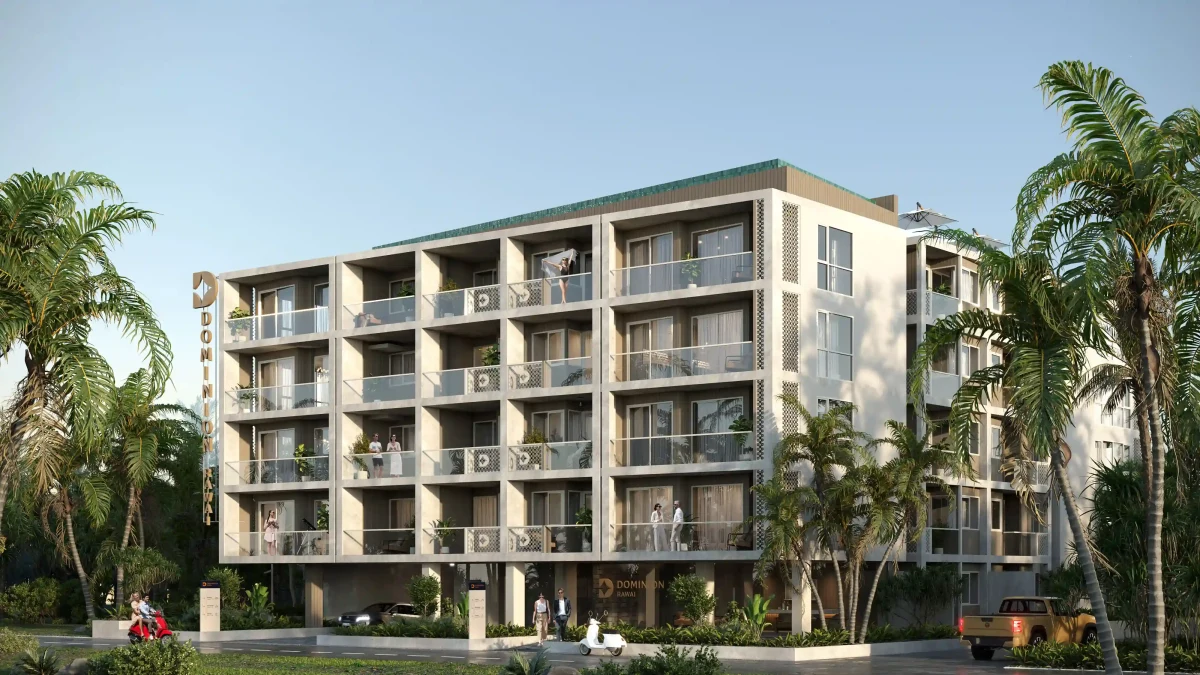
Phuket Property for Retirement Buyers: Best Areas, Budgets and Lifestyle Reality
This guide focuses on practical retirement buying—not generic beach marketing.
Retirement buyers in Phuket are not only choosing a condo—they are choosing healthcare access, community, noise levels, day-to-day services, and a realistic plan for visas, banking, and long-term maintenance. The best area depends on whether you want southern calm (Rawai/Nai Harn), service-rich convenience (Cherng Talay), or spacious low-density living (Mai Khao). Budgets vary widely: some buyers find modern one-bedrooms around $90K–150K in value pockets, while service-heavy west-coast options can stretch $180K–300K depending on view and facilities.
Many retirement buyers also consider a rental supplement: renting the property while overseas can contribute 5–7% gross on a $150K asset (roughly $7,500–10,500/year gross before fees)—useful as a lifestyle subsidy, not a replacement for a pension plan. Treat rental income as a bonus that must survive vacancies, maintenance, and management fees—not a guaranteed monthly salary.
Get a personalised Phuket investment shortlist
MORE Group: 0% buyer commission, developer-direct pricing, and honest yield analysis before you commit.

What retirement buyers actually need (beyond “near the beach”)
| Need | Why it matters in Phuket |
|---|---|
| Healthcare access | Planned care + emergencies; travel time matters |
| Community | Social integration reduces isolation |
| Services | Groceries, dining, banking, maintenance help |
| Quiet vs central | Sleep quality drives long-term satisfaction |
| Building accessibility | Elevators, showers, mobility considerations |
Area fit: who thrives where
Rawai / Nai Harn: calm, established expat energy
Rawai and Nai Harn attract buyers who want a southern residential feel with boating culture, local dining, and a slower rhythm than Patong. Beaches differ: some areas are more “walk and lifestyle” than classic swim-every-day tourism beaches—buy with honest expectations.
Budget reality: modern one-bedrooms often land roughly $90K–150K depending on age, view, and facilities. Rawai can offer value from around $96K in certain condos—always verify building quality and management.
Cherng Talay: services, schools, and modern convenience
Cherng Talay suits buyers who want Boat Avenue-style services, international-school proximity for visiting grandchildren, and a more suburban-west-coast convenience model. It is popular with families and long-stay expats—which can support both lifestyle and rental demand.
Budget reality: expect higher ticket sizes than southern value pockets—often $180K–300K for stronger resort-grade stock.
Phuket Town: authentic city life + healthcare cluster
Phuket Town offers urban texture, markets, cafés, and access to major hospitals. It is not the same beach fantasy as Kamala, but it can be ideal for buyers who want culture, lower noise in the right micro-locations, and practical daily life.
Budget reality: some condos can appear around $60K–120K, but condition and building management vary—resale liquidity can be narrower than west-coast resort inventory.
Mai Khao: space, low density, seasonal tourism
Mai Khao appeals to buyers who prioritise space, privacy, and a quieter strip—often with seasonal tourism rhythms. Airport proximity helps some travel patterns but does not solve daily service needs by itself.
Budget table: planning bands (USD, indicative)
| Buyer priority | Typical budget band | What it often buys |
|---|---|---|
| Value + community | 90K–150K | Modern 1-bed in Rawai/Nai Harn pockets |
| Services + facilities | 180K–300K | Stronger west-coast condo in Cherng Talay |
| Urban convenience | 60K–120K | Phuket Town condo (wide quality range) |
These bands are not price guarantees—they are planning anchors so you can match expectations to neighbourhoods before you fall in love with a single listing.
Visas: two common frameworks (non-legal advice overview)
Visa rules change; always verify with a qualified professional. Retirement buyers often explore:
- Thailand Elite (privilege entry programme): commonly discussed around $15,900+ for multi-year stays depending on package and validity length (verify current programme rules).
- LTR (Long-Term Resident) visa: can suit certain high-income/pension pathways—often discussed with thresholds like $40,000+/year pension-like income for retirees in some routes (verify eligibility).
Treat visas like a budget line item: without a stable stay plan, property ownership becomes stressful fast.
Rental supplement: what is realistic?
If you rent while away, short-stay gross yields in Phuket often cluster around 7–9% for optimised condos, with Kamala frequently cited at 8–10% and Patong at 8–12% for strong stock—gross, before fees and tax.
A conservative long-term lease might land closer to 5–7% gross, but with fewer operational headaches.
| Strategy | Gross yield shorthand | Workload |
|---|---|---|
| Short-stay | 7–9% (area-dependent) | Higher |
| Long-term | 5–7% | Lower |
If your property is $150K, 5–7% gross implies $7,500–10,500/year before costs—useful, but not a complete retirement funding plan.
Healthcare: practical planning
Major hospitals in/near Phuket Town and central corridors handle many specialties for routine and planned care, but retirement buyers should plan for:
- Routine doctor relationships
- Medication availability
- Emergency transport assumptions (distance, traffic)
Buyers focusing on southern living should model travel time to preferred hospitals—not because Phuket lacks care, but because comfort matters when you need it.
Lifestyle mistakes retirement buyers make
- Buying purely from a holiday trip without rainy-season reality
- Underestimating heat, humidity, and building maintenance
- Ignoring stairs and future mobility
- Choosing the “prettiest” unit with weak management
Tax and structuring: plan before you celebrate
Ownership structure affects costs, reporting, and future inheritance planning. Foreign buyers often use approaches that fit their home-country tax situation—there is no one-size-fits-all answer. Treat this as a “must consult” topic with a Thai lawyer and your accountant, not a forum thread.
Visiting twice: monsoon and peak
If possible, visit in two seasons: one high-season week to enjoy the island at its best, and one monsoon window to see drainage, access roads, and building leaks honestly. Sales perfection is often seasonal; retirement life is year-round.
Community integration: clubs, language, volunteer loops
Retirement satisfaction is social. Buyers who thrive often build local routines: language classes, fitness groups, volunteering, or sailing communities. If you buy a remote unit to “save money” but isolate yourself, you may save cash and lose happiness—an expensive trade.
How MORE Group helps retirement buyers
We prioritise honest lifestyle fit first, then numbers. If a beautiful unit fails your healthcare, access, or noise requirements, it is not a retirement home—it is a costly compromise.
Banking, bills, and the “admin load” of living overseas
Retirement comfort is partly operational: can you pay bills reliably, get maintenance handled when you are away, and access banking services without stress? Many buyers underestimate how much time goes into small frictions—especially if a building’s juristic office is weak.
| Admin topic | Retirement-friendly question |
|---|---|
| Bill payment | Can you automate utilities and CAM? |
| Keys & access | Who helps guests/tenants if you rent? |
| Maintenance | Is there a trusted handyman pipeline? |
Walkability vs driving: be honest about your daily routine
Phuket is not a single walkable city; it is a network of neighbourhoods where driving or Grab is often part of life. If you do not want to drive, buy where daily needs are genuinely reachable on foot—or budget for frequent rides.
Cherng Talay can score well for services within a radius; Phuket Town can score well for urban walkability in pockets; Mai Khao may be quieter but more car-dependent for many errands.
Safety, security, and building standards
Elevator reliability, security staffing, CCTV, and secure parking matter more for long-term residents than for short holiday stays. Visit properties at night once—lighting and access paths tell you more than midday sales tours.
If you still want yield: match strategy to energy level
Some retirees want long-term tenants to minimise churn; others want professional short-stay management for higher gross yields (7–9% gross is a common investor anchor). Short-stay yields can be higher—Kamala 8–10%, Patong 8–12% in strong stock—but the operational intensity is real.
If you want mostly peace, do not optimise for maximum yield at maximum workload.
Bang Tao and premium resort life: when it fits retirees
Bang Tao and Laguna-style environments suit buyers who want resort amenities, golf, and a polished west-coast ecosystem. Ticket sizes often exceed southern value bands—$265K+ is a common discussion point for certain condos—so the retirement question becomes: are you buying lifestyle and liquidity, or chasing yield?
Surin premium products can be even more lifestyle-weighted: scarcity and prestige can matter more than rental yield percentages.
Emergency planning: the conversation nobody enjoys
Talk through emergency scenarios pragmatically: who is your local contact, how fast can you reach care, and what is your insurance posture? A condo that looks perfect on paper can fail the “3 a.m. problem” test if access and support are unclear.
A simple retirement buying framework
- Healthcare + daily life first
- Building quality + management second
- Price and yield third
Yield matters, but retirees suffer most when the lifestyle fit is wrong—because selling and moving is expensive emotionally and financially.
Ready to compare Phuket options?
Our team gives honest side-by-side analysis — no pressure, no commission from you.
Frequently Asked Questions
Many buyers target roughly $90K–300K depending on area and facilities, but comfort is personal. Rule of thumb: prioritise building quality and healthcare access before view upgrades.
Rawai/Nai Harn suits buyers wanting calmer southern living; Cherng Talay suits buyers wanting stronger services and international-school proximity. Neither is universally better.
Rental income can subsidise costs, but model net income after fees and vacancies. Gross yields like 7–9% are not spendable net yields.
Options vary by profile. Many buyers explore Thailand Elite or LTR routes, but rules change—verify with a qualified immigration professional.
Beachfront can be wonderful but may bring noise, salt maintenance, and premium pricing. Some retirees prefer elevated, quieter units with ventilation and elevator access.
Related Guides
- Best areas in Phuket to buy property — Compare locations objectively.
- The Phuket lifestyle + income model — Personal use plus rental income.
- Buying property in Phuket — Purchase basics for foreign buyers.

MORE Group Editorial
Phuket Real Estate Experts
The MORE Group team has helped 500+ European and American buyers purchase property in Thailand. We provide legal support, 0% commission, and on-the-ground expertise since 2018.
Get a Free Property Consultation
Tell us your budget and goals — our expert will contact you within 2 hours.