Guaranteed Return Programs in Thailand: How They Work, Risks, and What to Check
How guaranteed return programs work in Thailand property investment. Real examples, developer risks, contract terms to verify, and honest pros and cons for foreign buyers.
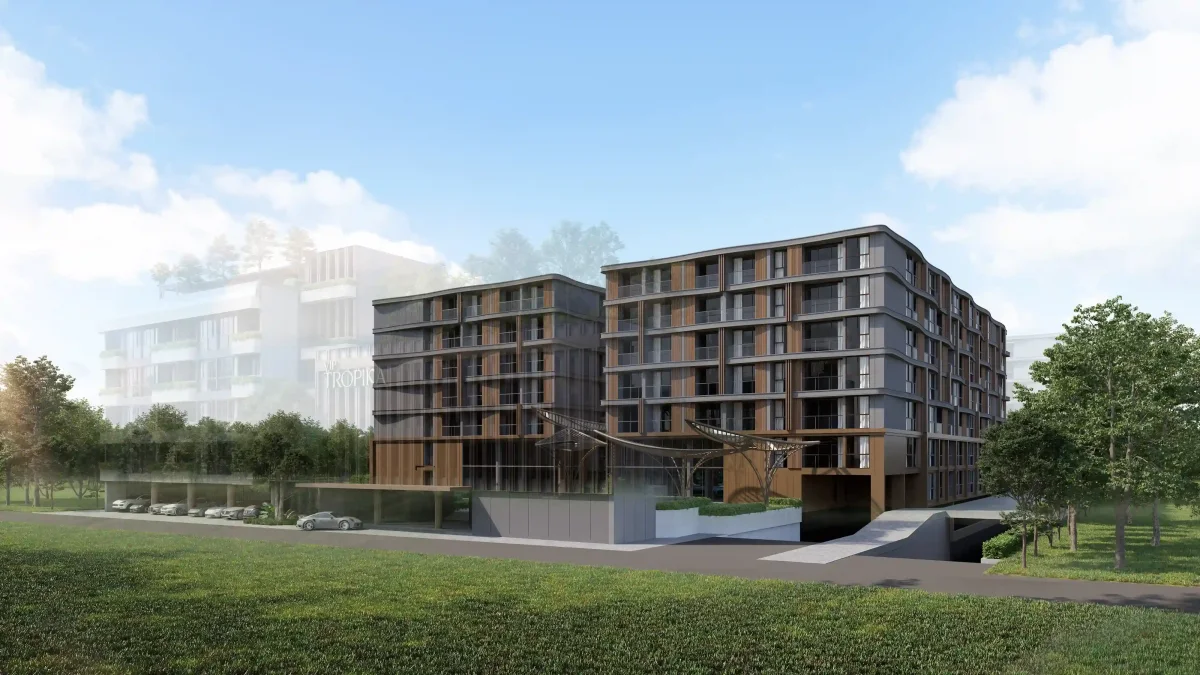
Guaranteed Return Programs in Thailand Property Investment
A guaranteed return program in Thailand is a contractual arrangement where a property developer or management company commits to paying the owner a fixed annual return — typically 6–8% net — for a defined period, regardless of actual rental occupancy. The developer absorbs the market risk; the investor receives predictable income. These programs are common across Phuket’s condo market, but they carry specific risks and contract terms that every buyer must understand before signing.
Want personalized property advice?
Our experts answer in 2 hours. 0% buyer commission.



Guaranteed Return Programs: Key Facts
| Parameter | Typical Range |
|---|---|
| Guaranteed return rate | 6–8% net per year |
| Guarantee period | 3–10 years (most commonly 5 years) |
| Payment frequency | Monthly, quarterly, or annually |
| Property usage (owner stays) | Typically 15–30 days per year |
| Who pays | Developer or their management company |
| Based on | Purchase price (not market value) |
| Renewal terms | Vary — often switch to rental pool after guarantee ends |
| Example: VIP Tropika | 6% net, 5-year guarantee |
| Example: other projects | 7–8% net, 3–5 year guarantee |
Want personalized property advice?
Our experts answer in 2 hours. 0% buyer commission.
How Guaranteed Return Programs Actually Work
When you buy a property with a guaranteed return, the developer does not hand over control of the unit to you in the traditional rental sense. Instead, the arrangement works as follows:
Step 1 — Purchase and SPA You buy the condo and sign the Sale and Purchase Agreement (SPA). A separate Rental Management Agreement (RMA) or Guarantee Agreement is signed alongside the SPA. This second document specifies the guarantee rate, period, payment schedule, owner-use entitlement, and termination conditions.
Step 2 — Management transfer The developer (or their affiliated management company) takes operational control of the unit. They furnish it, list it on booking platforms, manage guest turnover, and handle all operational costs from their side.
Step 3 — You receive fixed payments Regardless of whether the unit is occupied on any given week, you receive fixed payments per the guarantee schedule. Monthly payments are most common in Phuket — typically the first week of each month. Some developers pay quarterly.
Step 4 — Owner usage Most programs allow the owner to use the property for a defined number of days per year — commonly 15 to 30 days, often restricted to low season or subject to blackout periods around peak dates. This is important: you effectively rent your own unit back from the management company during your personal stay windows.
Step 5 — Guarantee period ends After the guarantee period concludes (typically 3–5 years), the arrangement transitions. Most projects offer two options: extend at a new negotiated rate, or switch to a market-rate rental pool arrangement.
Real Examples: Guaranteed Return Programs in Phuket
VIP Tropika
VIP Tropika, a project in the Karon/Rawai corridor, offers a 6% net guaranteed return per year, structured over a defined guarantee period. The 6% is calculated on the purchase price. On a $120,000 unit, this translates to $7,200/year ($600/month) in guaranteed income, net of management fees.
Mid-Tier Projects Offering 7–8%
A number of Phuket projects in the Bang Tao, Kamala, and Laguna areas offer 7–8% guaranteed returns. The higher the guarantee rate, the more important it is to scrutinise the developer’s financial standing — a 8% guarantee on a $150,000 unit means the developer is committed to paying $12,000/year regardless of market conditions, and this must come from somewhere.
Projects offering 7–8% typically operate hotel-licensed properties with high occupancy during peak season, meaning the guarantee is sustainable if managed professionally. But the buffer is thinner.
Projects Without Guaranteed Returns
Many of Phuket’s strongest-performing developments — particularly in the premium Bang Tao/Laguna segment — do not offer guaranteed returns. They offer market-rate rental pool arrangements instead. This is not a red flag; in some cases it signals the developer is confident in market performance rather than needing to subsidise early buyers with guarantees.
The Real Risks of Guaranteed Return Programs
This is where most marketing materials stop. We go further.
Risk 1: Developer Financial Health
The guaranteed return is only as good as the developer behind it. If the developer encounters financial difficulty — cash flow problems, construction cost overruns, legal disputes — guaranteed payments may slow, delay, or stop. This risk is not theoretical: it has happened in Thailand and across Southeast Asian property markets.
How to assess developer risk:
- Request audited financial statements or evidence of project funding
- Check whether the guarantee is backed by an escrow account, bank guarantee, or letter of credit — or simply by the developer’s promise
- Investigate the developer’s track record: have they delivered previous projects on time and honoured previous guarantee commitments?
- Ask how many units in the project are under the guarantee program vs. market-rate — a high guaranteed percentage increases developer liability
Risk 2: The Guarantee Is Not a Rental Yield
A 6% guaranteed return on a $150,000 property means $9,000/year in fixed income. If the actual rental market for that unit would have delivered $14,000/year at 75% occupancy in a good rental pool, the guarantee is costing you money. The guarantee caps your upside while protecting your downside.
Conversely, if the market would have delivered $6,000/year at poor occupancy without professional management, the guarantee is clearly better. Which scenario applies depends on the quality of the specific property and location.
Risk 3: Owner-Use Restrictions
Many guarantee agreements impose blackout periods during peak season — exactly the time you’d most want to use a Phuket beachside property. Read the owner-use terms carefully: 30 days per year sounds reasonable until you discover 20 of those days must fall between June and September.
Risk 4: Post-Guarantee Transition Risk
After the guarantee period ends, you move to a market-rate arrangement. If the property market or the development’s management quality has deteriorated during the guarantee years, the transition can deliver a sharp income drop. You also have less contractual leverage over the management company once the guarantee structure ends.
Risk 5: Capital Growth May Be Priced In
Developers offering high guaranteed returns often price units at a premium to reflect the guarantee value. A unit sold at $180,000 with a 7% guarantee may be priced 15–20% above a comparable unit without a guarantee in the same location. If capital appreciation is part of your investment thesis, the starting price matters.
What to Check in the Contract
Before signing any guaranteed return program, review these contract elements — ideally with a Thai property lawyer:
| Contract Element | What to Look For |
|---|---|
| Guarantee rate definition | Net or gross? Net means after all costs. Gross means before costs (misleading). |
| Payment timing | Monthly is better than annual — reduces counterparty risk window |
| Guarantee backing | Bank guarantee, escrow, or developer promise? Escrow is strongest protection. |
| Owner usage terms | Exact days per year, blackout periods, booking procedures |
| Termination clauses | What happens if developer defaults? Can you exit? |
| Post-guarantee terms | What are the options after guarantee period ends? |
| Furniture and fit-out | Who owns the furnishings? Who pays for replacement? |
| Management fee within “net” calculation | Ensure the “net” rate accounts for all management costs |
| Renewal conditions | Is renewal automatic? At what rate? |
Guaranteed Return vs. Rental Pool: Side-by-Side Comparison
| Factor | Guaranteed Return | Rental Pool (Market Rate) |
|---|---|---|
| Income predictability | High — fixed payment | Variable — tracks actual occupancy |
| Upside potential | Capped at guarantee rate | Unlimited in strong markets |
| Downside protection | Strong — guaranteed regardless of occupancy | Exposed to low season and vacancy |
| Developer risk | Counterparty risk exists | No developer dependency for income |
| Owner flexibility | Limited (usage restrictions) | Often more flexible |
| Management involvement | Low (developer handles all) | Requires monitoring |
| Best for | Investors prioritising certainty | Investors willing to accept volatility for higher returns |
Pros and Cons: Guaranteed Return Programs
Pros
- Predictable, fixed income that eliminates seasonality risk
- Suitable for passive investors with no local presence or management experience
- Income begins immediately post-completion without requiring active tenant sourcing
- Simplifies financial planning — mortgage coverage, tax planning
- Developer-managed properties often have better marketing infrastructure than self-managed units
Cons
- Developer counterparty risk — program can fail if developer has financial problems
- Caps income upside in strong market years
- Owner-use restrictions, especially during peak season
- Units sold with guarantees are often priced at a premium
- Post-guarantee transition to market rate can bring income shock
- “Net” guarantee definitions vary — some developers include hidden management costs
- Guarantee agreement is typically not backed by hard collateral in most projects
Frequently Asked Questions
A guaranteed return program is a contractual commitment by a developer or management company to pay the property owner a fixed annual return — typically 6–8% net — for a defined period (usually 3–10 years), regardless of actual rental occupancy. The developer takes on the market risk while the investor receives predictable income.
Yes, in most cases. Well-located condo projects with hotel licensing and professional management can generate 8–10% gross yields in peak areas, so a 6–8% net guarantee is sustainable if the developer is financially sound and manages the property effectively. Problems arise when developers overpromise rates they cannot sustain from actual rental income.
This is the primary risk. If the developer defaults, your recourse depends on what protection was built into the Rental Management Agreement. If the guarantee is backed by an escrow account or bank guarantee, funds may still be accessible. If it's backed only by the developer's promise, recovery is difficult and potentially requires legal action in Thailand. This is why scrutinising developer financial health before purchase is critical.
Most programs allow owner usage of 15–30 days per year. However, blackout periods often restrict usage during Christmas, New Year, and other peak weeks — exactly when you'd most want to visit. Review the owner-use schedule in the Rental Management Agreement carefully before signing.
In virtually all cases, the guarantee is calculated on the original purchase price, not current market value. This means if you paid $150,000 and the property is now worth $200,000, your 6% guarantee still pays based on the $150,000 purchase price — $9,000/year, not $12,000.
After the guarantee period, properties typically transition to a market-rate rental pool arrangement. The developer or management company offers revised terms. Some investors renegotiate, others switch management companies, and others sell during the guarantee period while income is predictable. Plan for this transition from day one.
Read Also
- Rental Pool Programs in Phuket Condos
- Real Income Potential of Phuket Condos
- How Rental Demand Works in Phuket
- Is Phuket a Good Property Investment?
- Cost of Owning a Condo in Phuket
Get a Free Property Consultation
Tell us your budget and goals — our expert will contact you within 2 hours.

MORE Group
Phuket Real Estate Experts
The MORE Group team has helped 500+ European and American buyers purchase property in Thailand. We provide legal support, 0% commission, and on-the-ground expertise since 2018.
Get a Free Property Consultation
Tell us your budget and goals — our expert will contact you within 2 hours.