Cost of Owning a Condo in Phuket: Full Annual Breakdown 2026
The true cost of owning a condo in Phuket — purchase costs, annual maintenance, management fees, taxes, and how rental income offsets expenses. Real 2026 numbers.
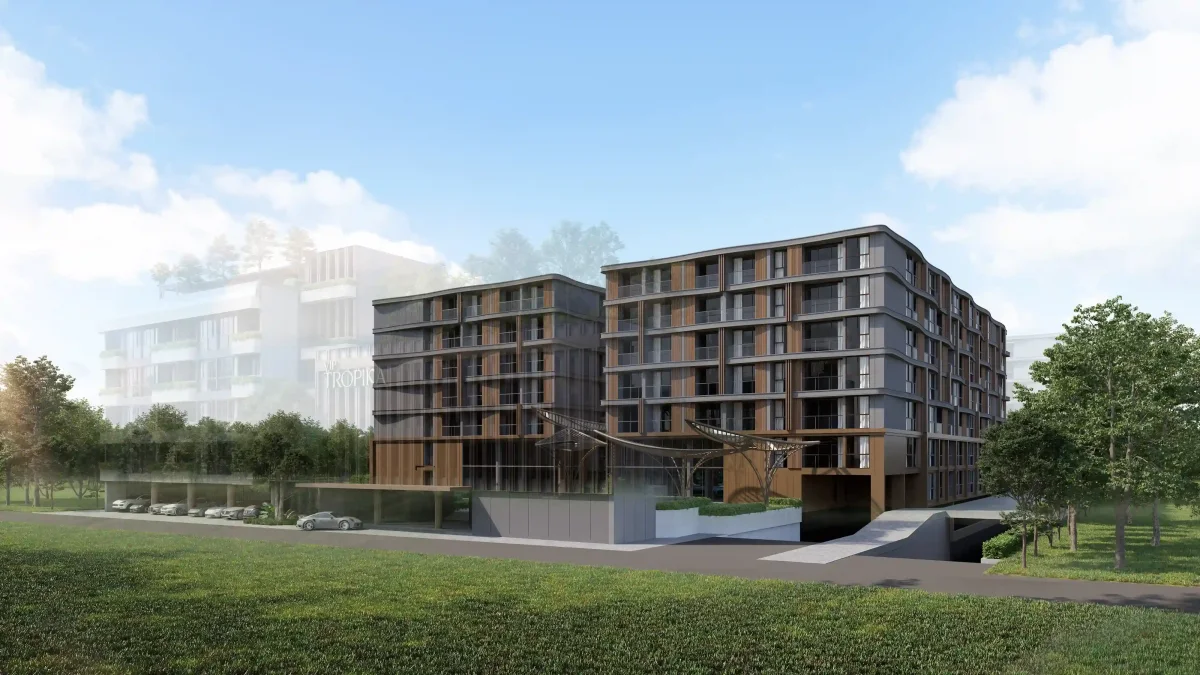
Cost of Owning a Condo in Phuket
The true cost of owning a condo in Phuket — beyond the purchase price — is $3,700–$13,500 per year depending on unit size, location, and whether you operate short-term or long-term rentals. For investment properties, rental income typically covers all running costs and generates positive net cash flow. For lifestyle/holiday use only, you’re looking at a net holding cost similar to a quality hotel stay per week, with the upside of ownership.
Want personalized property advice?
Our experts answer in 2 hours. 0% buyer commission.
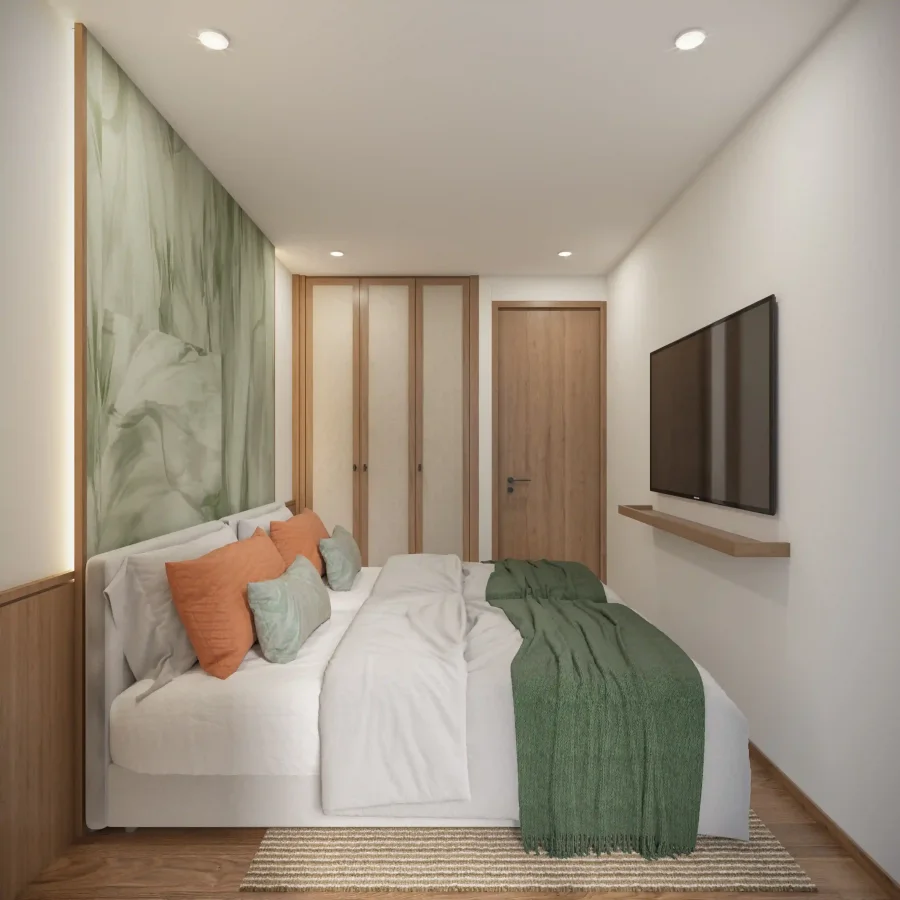


Phuket Condo Ownership Cost Overview
| Cost Category | Studio (30 sqm) | 1-bed (50 sqm) | 2-bed (80 sqm) |
|---|---|---|---|
| Purchase price (typical) | $90,000 | $160,000 | $250,000 |
| Transfer fee (buyer’s share) | ~$540 | ~$960 | ~$1,500 |
| Sinking fund (600 THB/sqm) | $510 | $850 | $1,360 |
| Legal fees | $600 | $800 | $1,000 |
| Furnishing | $4,000–$7,000 | $6,000–$12,000 | $10,000–$20,000 |
| One-off purchase costs | $5,650–$8,650 | $8,610–$14,610 | $13,860–$23,860 |
| Annual Operating Cost | Studio | 1-bed | 2-bed |
|---|---|---|---|
| Common area maintenance | $756–$1,008 | $1,260–$1,680 | $2,016–$2,688 |
| Insurance (contents) | $150–$300 | $200–$400 | $350–$700 |
| Land & Building Tax | ~$25 | ~$45 | ~$70 |
| Electricity & water | $600–$1,200 | $900–$2,000 | $1,200–$3,000 |
| Maintenance reserve | $200–$500 | $300–$800 | $500–$1,500 |
| Annual costs (no management) | $1,731–$3,008 | $2,705–$4,925 | $4,136–$7,958 |
| Management fee (if rented ST, 22%) | $1,584–$3,564 | $2,992–$5,720 | $5,500–$8,250 |
| Total annual costs (if rented) | $3,315–$6,572 | $5,697–$10,645 | $9,636–$16,208 |
Want personalized property advice?
Our experts answer in 2 hours. 0% buyer commission.
Purchase Costs Explained
Transfer Fee
The transfer fee is 2% of the Land Department’s appraised value. Appraised values are typically 60–80% of the actual sale price, so your effective buyer cost is approximately 1% of the market price — lower than it sounds.
Negotiation: Transfer fee is conventionally split 50/50 between buyer and seller. Some developers absorb the full fee as an incentive. Always confirm who pays what before signing.
Sinking Fund
A one-time, non-refundable payment to the building’s maintenance reserve fund. Rate: 500–700 THB/sqm.
This is not wasted money — it pays for the major capital expenditures that keep the building in excellent condition (roof, elevator, structural maintenance). A building with a well-funded sinking fund is more valuable long-term than one that defers maintenance.
Furnishing Investment
Furnishing quality directly impacts rental yield. For short-term rental in Phuket, photography is everything — the photos on Airbnb and Agoda determine whether guests click through and book.
Minimum investment for rental-quality furnishing:
- Studio: $4,000–$7,000 (full kit: bed, sofa, table, kitchen, A/C accessories, décor)
- 1-bed: $6,000–$12,000
- 2-bed: $10,000–$20,000
Cheap furnishing costs you in nightly rate and reviews. A $180/night unit with premium furnishing outperforms a $120/night unit with budget furnishing in total annual revenue.
Annual Common Area Maintenance (CAM)
CAM covers all building-level operating costs: pool cleaning, security, gardening, elevator service, lobby, and common area utilities.
Range: 50–120 THB/sqm/month
What drives your specific rate:
- More amenities (multiple pools, gym, co-working, restaurant) = higher CAM
- More building staff (24/7 security, concierge) = higher CAM
- Building age and energy efficiency = lower or higher CAM
Important: CAM increases annually at roughly 3–5% per year as electricity and labor costs rise. Don’t lock in today’s number as a fixed cost in long-range projections.
Management Fees: Short-Term vs. Long-Term Rental
Short-Term Rental (Airbnb / Agoda / Booking.com)
Management fee: 20–30% of gross rental revenue (the percentage includes OTA commission handling or charges additional — clarify)
What you get:
- All booking platform management
- Dynamic pricing and yield optimization
- Guest check-in and communication
- Cleaning and laundry between guests
- Maintenance reporting and coordination
- Monthly income statements
Who bears OTA commission: Usually 3–15% platform commission is deducted from gross booking value before the management company applies its percentage. Clarify whether the management fee is applied to gross booking value (before OTA commission) or net (after). This makes a significant difference.
Long-Term Rental (Expat / Monthly)
Management fee: 8–15% of monthly rental income
What you get:
- Tenant sourcing and vetting
- Lease agreement drafting
- Rent collection and remittance
- Maintenance coordination
Long-term rental management is significantly simpler and cheaper. The trade-off: lower gross income but lower management cost and zero guest turnover.
Electricity: The Real Cost Driver
Electricity is the most variable and often underestimated annual cost. In Phuket’s tropical climate, air conditioning is essential — not optional.
Condo electricity benchmarks:
- Studio (1 AC unit, used 8h/day): 1,500–2,500 THB/month = $504–$840/year
- 1-bed (2 AC units): 2,500–4,500 THB/month = $840–$1,512/year
- 2-bed (3 AC units): 3,500–6,000 THB/month = $1,176–$2,016/year
When renting short-term: Guests pay electricity directly in most managed programs (metered separately or included in a utility allowance). This significantly reduces your electricity cost as owner.
When renting long-term: Electricity is typically the tenant’s responsibility — they pay their actual usage directly to the management office.
For personal use only: Your electricity cost is real and ongoing. Budget accordingly.
Does Rental Income Cover the Running Costs?
Scenario A: Studio in Rawai, $90,000, Long-Term Rental
- Gross monthly rent: 22,000 THB ($616)
- Annual gross: $7,392
- Management fee (12%): -$887
- CAM: -$882
- Insurance: -$200
- Maintenance: -$250
- Electricity (tenant pays): $0
- LBT: -$25
- Annual costs: -$2,244
- Net rental income: $5,148
- Net yield: 5.7%
- Annual surplus vs. costs: $2,904 ✅ Covers costs with cash flow positive
Scenario B: 1-bed Bang Tao, $180,000, Short-Term Managed
- Gross rental income (8.5%): $15,300/year
- Management fee (22%): -$3,366
- CAM: -$1,400
- Insurance: -$350
- Maintenance: -$500
- Electricity (guests pay): $0
- LBT: -$36
- Annual costs: -$5,652
- Net rental income: $9,648
- Net yield: 5.4%
- Annual surplus vs. costs: $3,996 ✅ Strongly positive
What If You’re Not Renting?
For lifestyle buyers using their Phuket condo personally (no rental), the annual holding cost is:
| Size | Annual Cost (no rental) | Weekly equivalent |
|---|---|---|
| Studio | $1,731–$3,008 | $33–$58/week |
| 1-bed | $2,705–$4,925 | $52–$95/week |
| 2-bed | $4,136–$7,958 | $80–$153/week |
Compare this to equivalent hotel or serviced apartment costs of $100–$400/week in the same areas. Owning is economically superior for anyone spending 4+ weeks in Phuket per year.
Pros and Cons: Condo Ownership Cost in Phuket
Pros:
- CAM and LBT are low vs. international equivalents
- Rental income easily covers annual costs for investment condos
- Electricity often passed to tenants/guests
- No body corporate levies or strata administrative complexity (simpler than Australian/Singaporean strata)
- Long-term lifestyle holding cost is very competitive
Cons:
- Management fees (20–30% for short-term) reduce gross yield significantly
- CAM escalation is a real ongoing cost
- Furnishing investment required upfront for rental-quality presentation
- Electricity for personal use is high due to AC requirements
Frequently Asked Questions
For a 50 sqm 1-bedroom condo: CAM $1,260–$1,680/year, insurance $200–$400, electricity $840–$2,000, LBT ~$45, maintenance reserve $300–$800. Total without management: $2,645–$4,925/year. Add management fees if renting (22% of gross revenue = $2,500–$5,000/year for a quality 1-bed).
Short-term rental management fees range from 20–30% of gross rental revenue. Long-term rental management is 8–15% of monthly rent. For a $180,000 condo generating $15,000 gross annually, short-term management at 22% = $3,300/year. This is the single largest ongoing cost after CAM.
Yes, for most well-located investment condos. A $180,000 Bang Tao 1-bed generating 8.5% gross ($15,300) covers all running costs ($5,600–$7,000) with net income of $8,000–$9,700 remaining. Entry-level condos in Rawai on long-term leases also run cost-positive with minimal management overhead.
CAM fees range from 50–120 THB per sqm per month. For a 50 sqm unit: 2,500–6,000 THB/month, or $840–$2,016 annually. Premium resort-style developments charge the higher end but provide significantly better facilities that support higher nightly rates.
If renting short-term with a managed program, electricity is typically the guest's cost (metered and charged separately). For long-term leases, tenants pay electricity directly. For personal use only, electricity is your cost — budget $840–$2,000/year for a 1-bed with normal AC usage.
The sinking fund is a one-time payment of 500–700 THB per sqm, paid at transfer. It's non-refundable and funds major future building maintenance (roof, elevator, infrastructure). For a 50 sqm unit: 25,000–35,000 THB ($700–$980). It's a legal requirement at transfer, not optional.
Read Also
- Hidden Costs of Buying Property in Thailand
- Annual Ownership Costs of Thailand Property
- Rental Income Tax in Thailand for Foreigners
- ROI After Fees: Thailand Property Investment
- Phuket Condo vs Villa: Which Investment Wins?
Get a Free Property Consultation
Tell us your budget and goals — our expert will contact you within 2 hours.

MORE Group
Phuket Real Estate Experts
The MORE Group team has helped 500+ European and American buyers purchase property in Thailand. We provide legal support, 0% commission, and on-the-ground expertise since 2018.
Get a Free Property Consultation
Tell us your budget and goals — our expert will contact you within 2 hours.